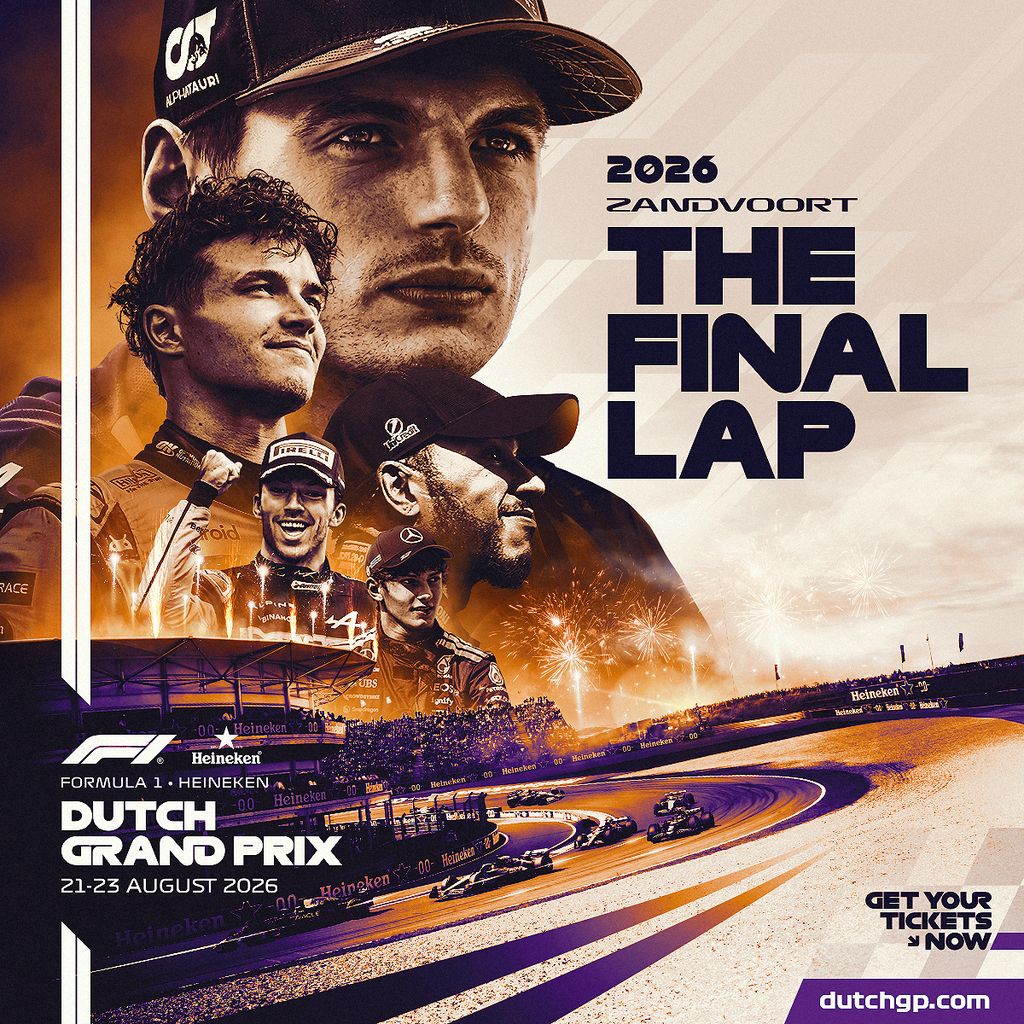
The new Formula 1 season has begun. The first kilometers have been driven and the first changes of a new technical era are becoming visible. New cars, new regulations, an expanded field with eleven teams, and an adjusted weekend format are setting the stage for a season in which much can shift. The true balance will only become clear later in the season, when these completely redesigned F1 cars also make their appearance after the summer break at the dune circuit of Zandvoort during the FORMULA 1 HEINEKEN DUTCH GRAND PRIX.
A technical transition year
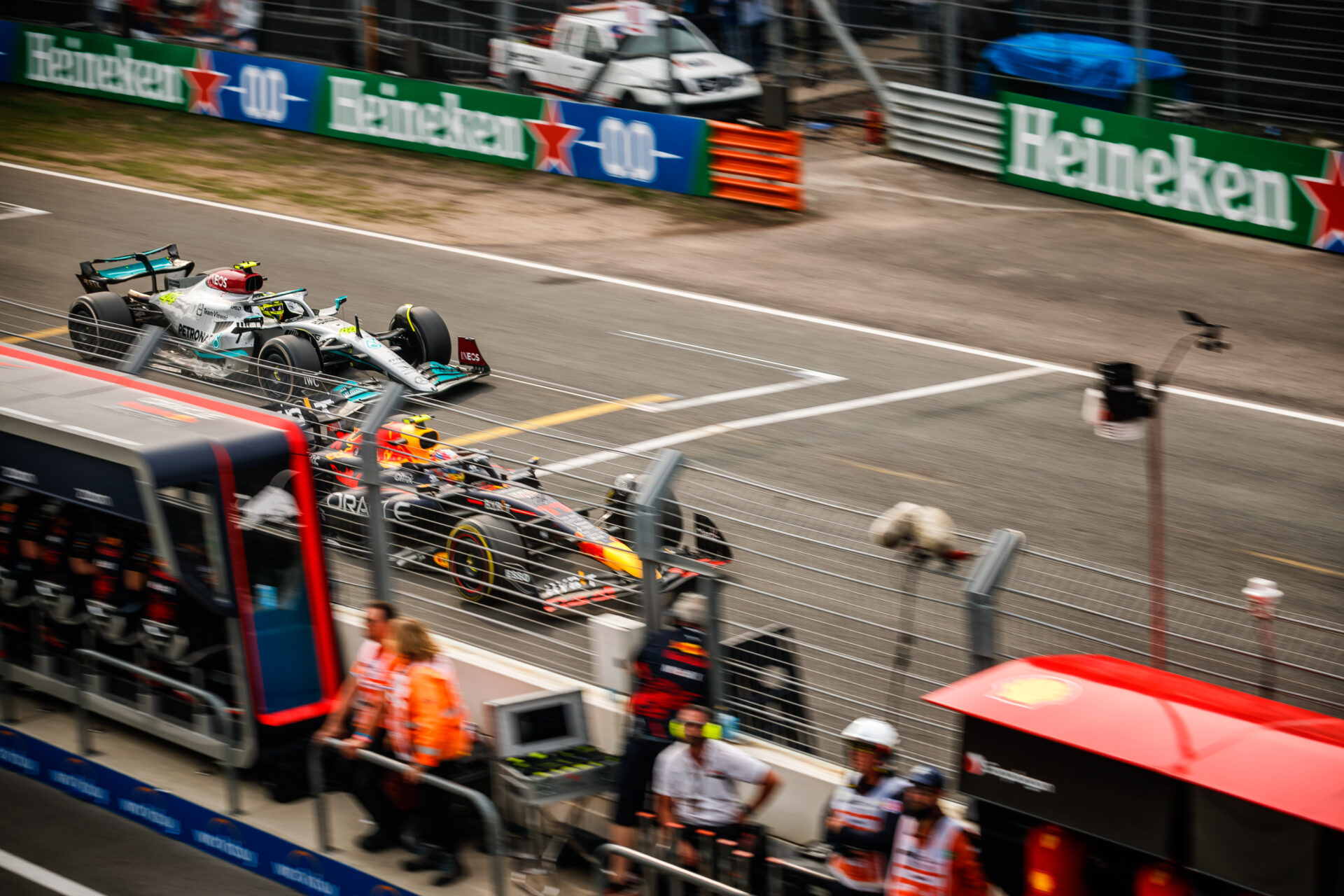
The Dutch Grand Prix takes place after the summer break, right in the middle of a major transition year for F1. The first race in Australia shows that teams are still searching for the optimal balance within the new technical setup. Cars are more compact and lighter, with a fundamentally different aerodynamic philosophy. Active wings are part of the concept, the balance between electric power and combustion shifts towards 50/50, and sustainable fuels play a greater role. The FIA’s ambition is clear: the sport should be easier to follow, with less turbulence and more on-track battles. More duels. More overtaking. More pure competition.
Zandvoort as a benchmark
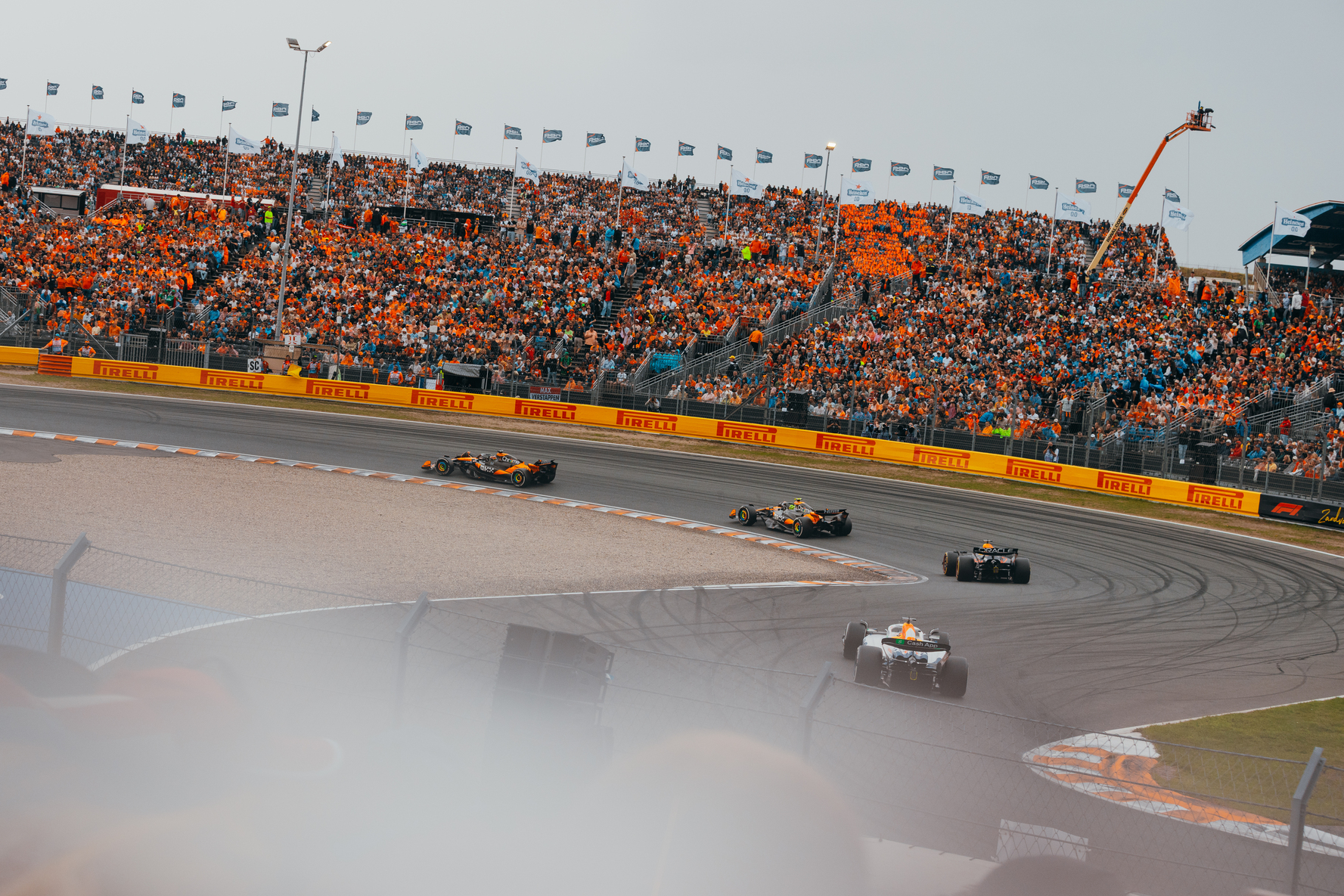
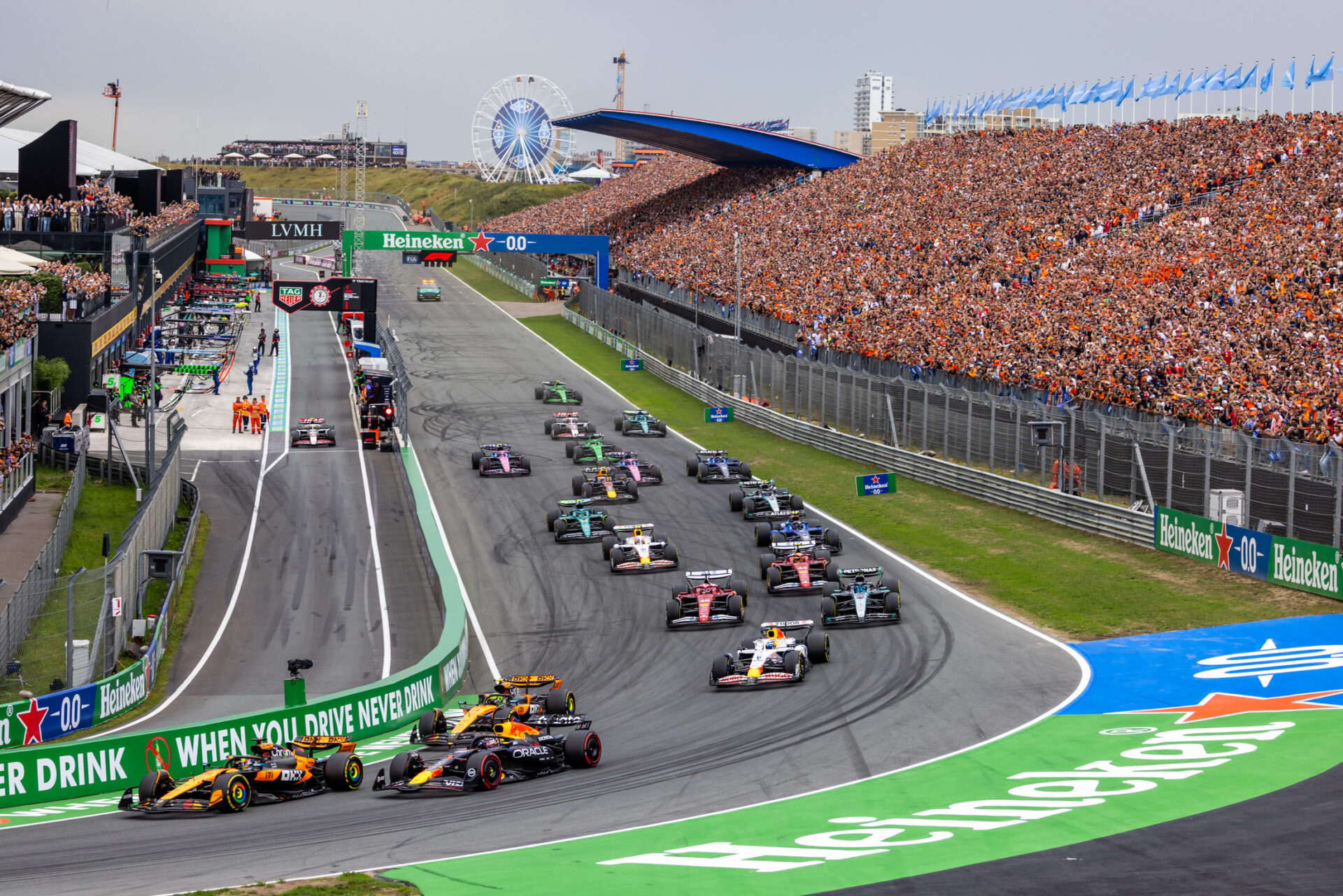
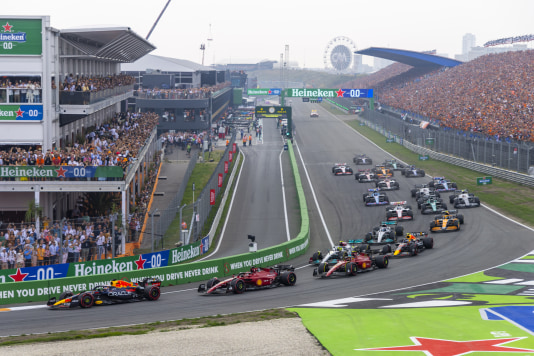

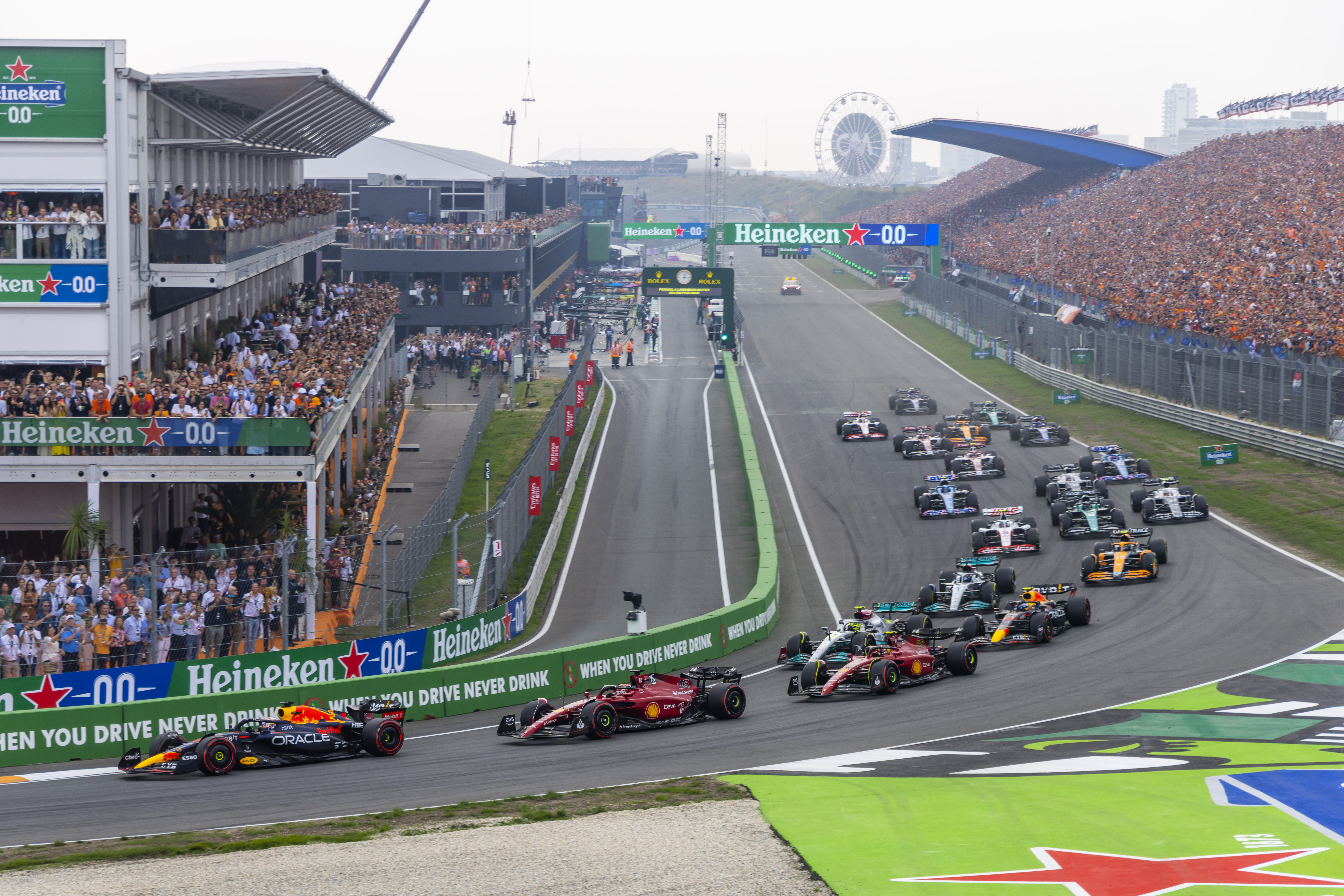
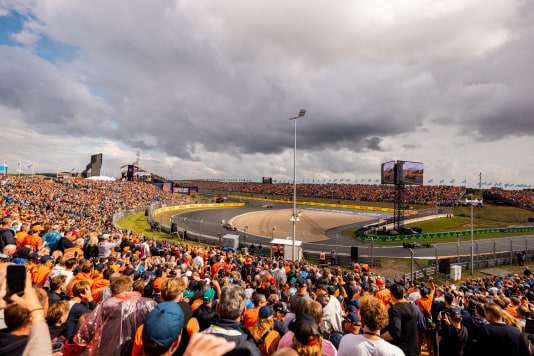

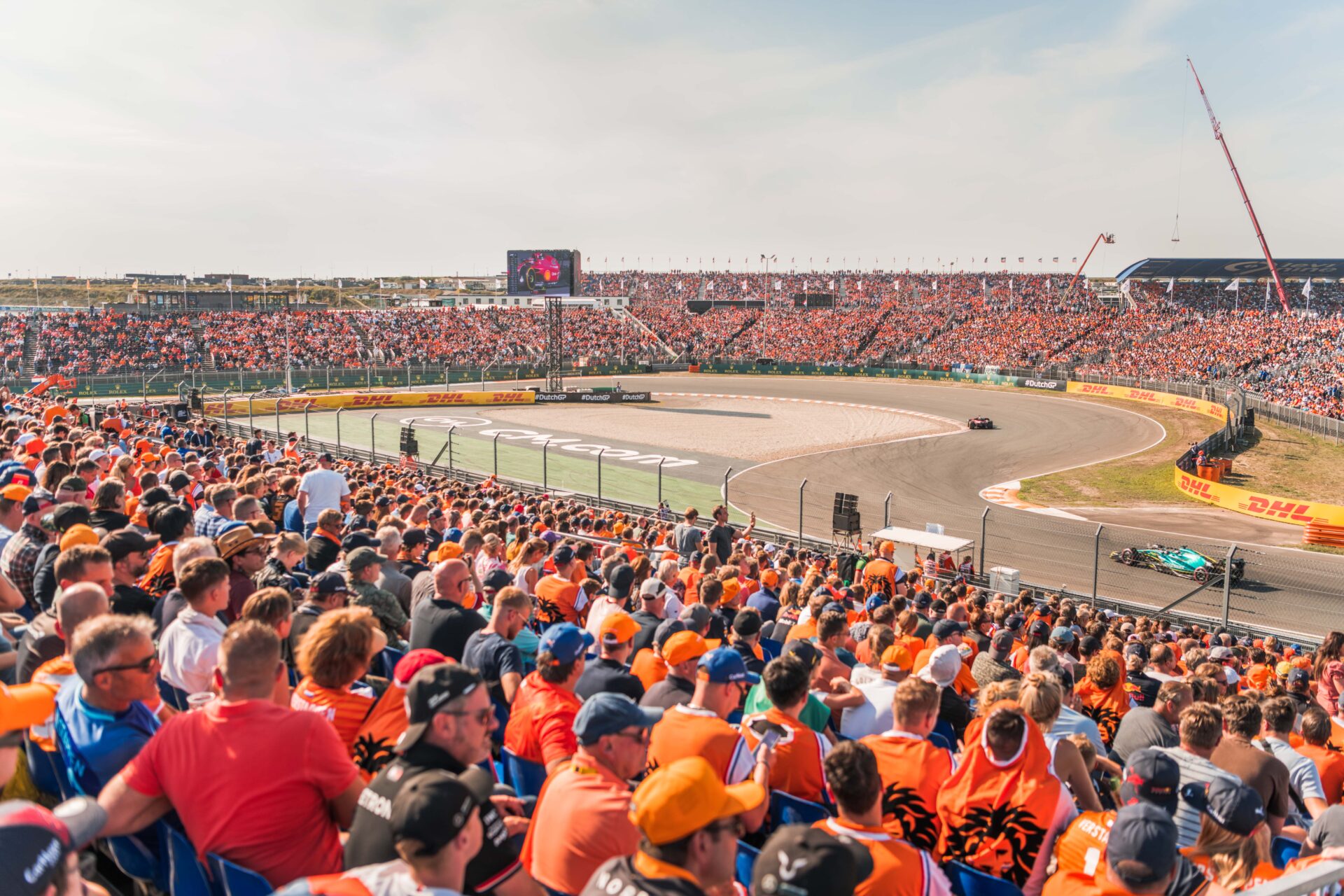
That is precisely why the Dutch Grand Prix will be an interesting measuring point. The circuit is known for being technical and narrow. Overtaking is less straightforward here than on some modern tracks. If the new aerodynamic concept truly leads to less turbulence and more on-track battles, it will be visible here. If it falls short, that will be visible as well. Sporting director Jan Lammers is enthusiastic:
“I’m looking forward to seeing that new generation of cars race here. Not because it needs to be bigger or more spectacular, but because Zandvoort has always been an honest benchmark. If it works, you will see it here. If it does not, you will see that too. That makes it a fitting finale to a beautiful chapter in Dutch Formula 1.”
More drivers, more dynamics
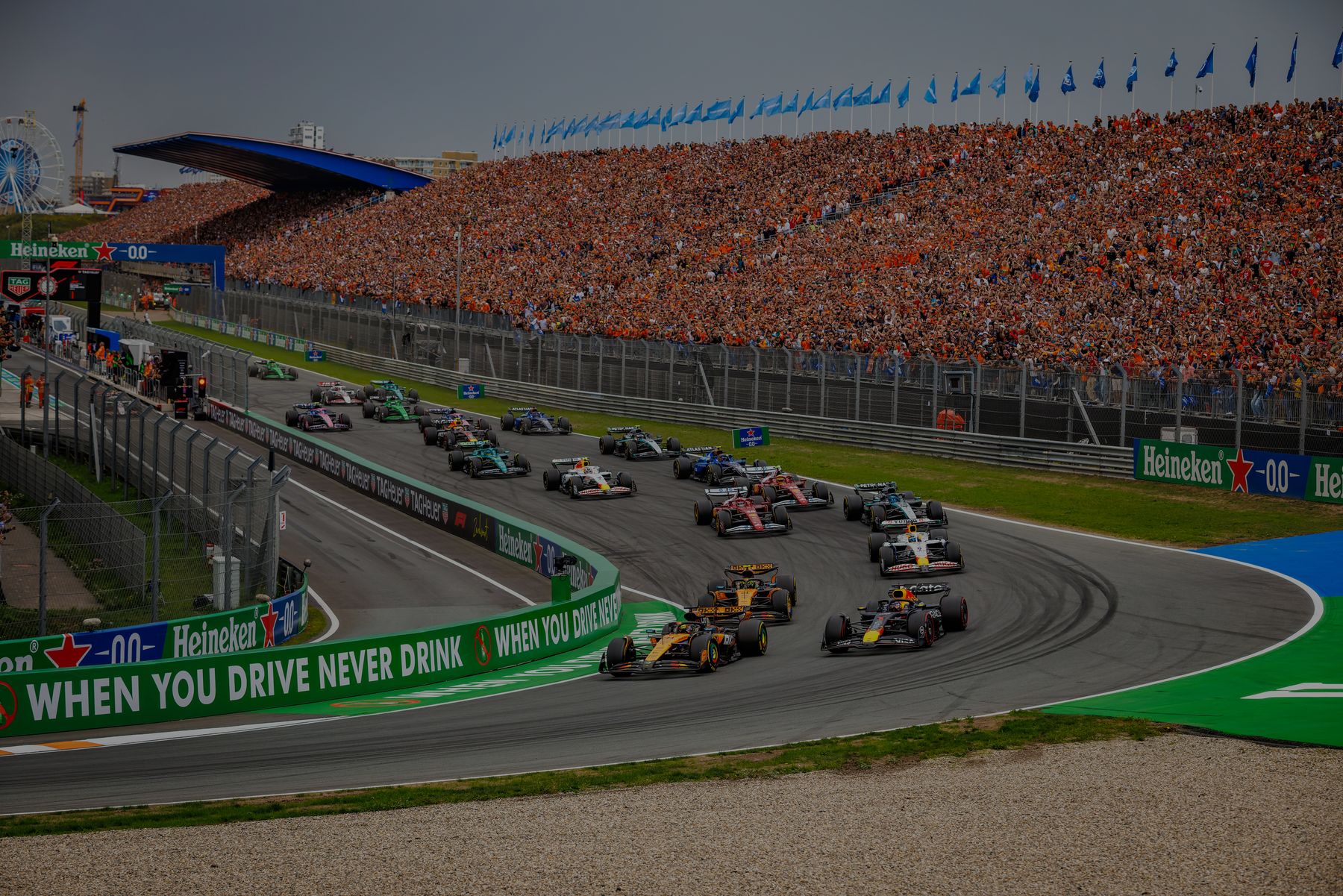
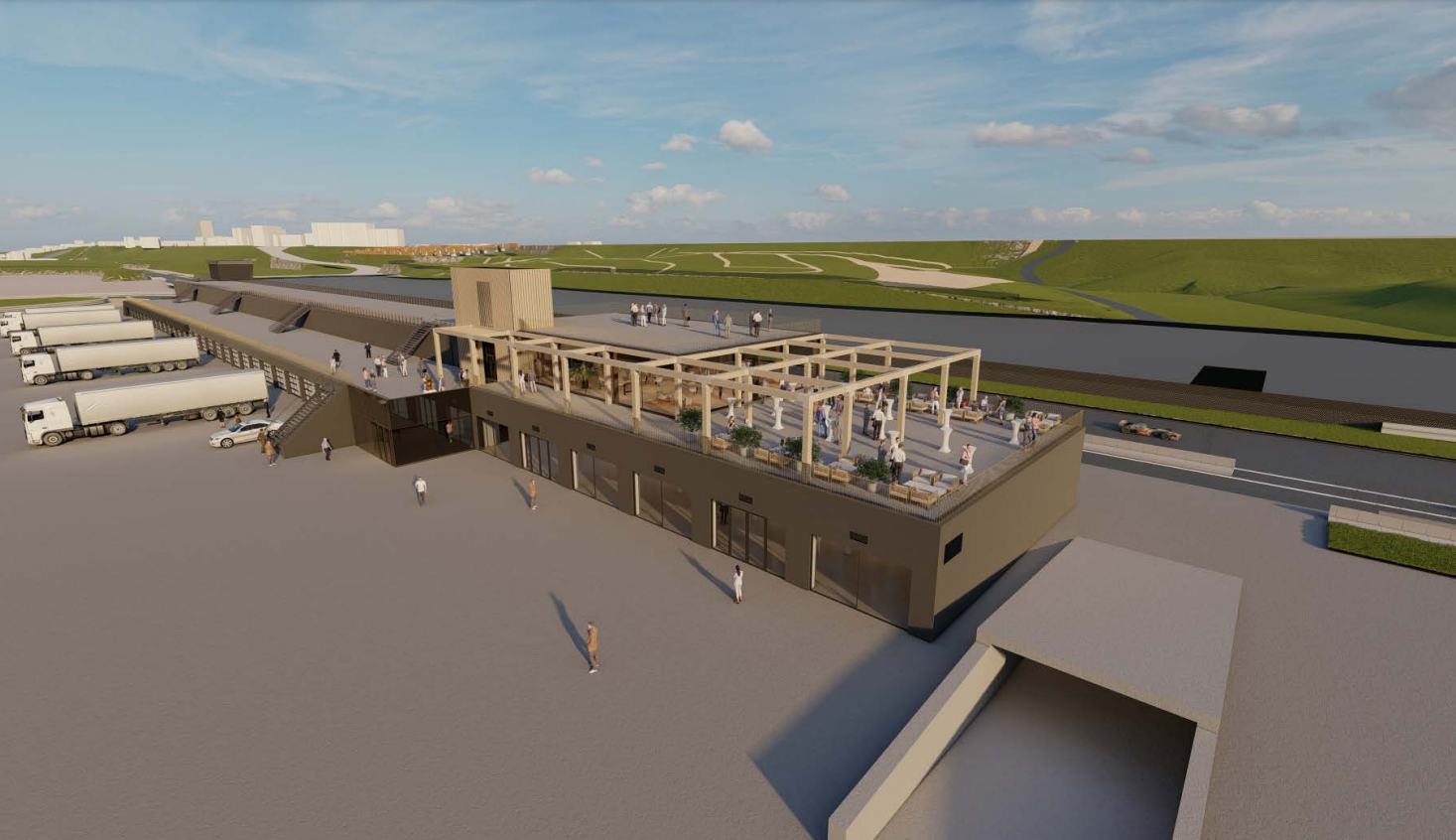
For the first time, eleven teams will line up on the grid in Zandvoort. That means more cars on track, more people in the paddock, and a more complex logistical operation. As the sport grows, the event evolves with it. The pit building has already been adapted to provide additional capacity. It is not a visible revolution, but it is a necessary step to ensure the quality and safety of the race weekend. These are practical adjustments that align with the development of the sport.
Sprint race: extra pressure on a technical circuit
As if the technical transition year and the expanded field do not already bring enough dynamics, the Zandvoort weekend in 2026 will also feature a sprint race. On a circuit where track position is crucial, such a sprint can have major consequences. Teams have less time to analyze data and fine-tune their setup. Mistakes are punished more quickly. Opportunities for recovery are limited. For the fans, it means more competitive laps and extra excitement spread across the weekend. For the teams, it requires sharpness from the very first moment the car hits the track.
A fitting final moment
This makes the Final Lap in Zandvoort later this season an important benchmark in a new era, both sporting, technical and organizational. When the redesigned cars have completed their final lap on the dune circuit, it will be clearer how the true competitive order stands. The final edition of the Dutch Grand Prix therefore promises to be a special moment in the history of Formula 1 in the Netherlands. For sporting director Jan Lammers, that makes the moment even more meaningful:
“For me, Zandvoort is not just a location on the calendar, but a place where it all began. This is where I learned to drive, where I experienced my first successes, and where in 2021 we brought something back that many thought was no longer possible.
The fact that we are now organizing the Final Lap in a year in which F1 is entering a new technical era makes it special. This circuit has been praised by generations of drivers for its corners, its elevation changes, and the rhythm you need to find as a driver. It demands something from you, and that remains true, regardless of which car you drive.”
RELATED NEWS
ALSO INTERESTING


Dutch GP app
Download nu de officiële Dutch GP app en zet jezelf op pole position!